Program and Project Management
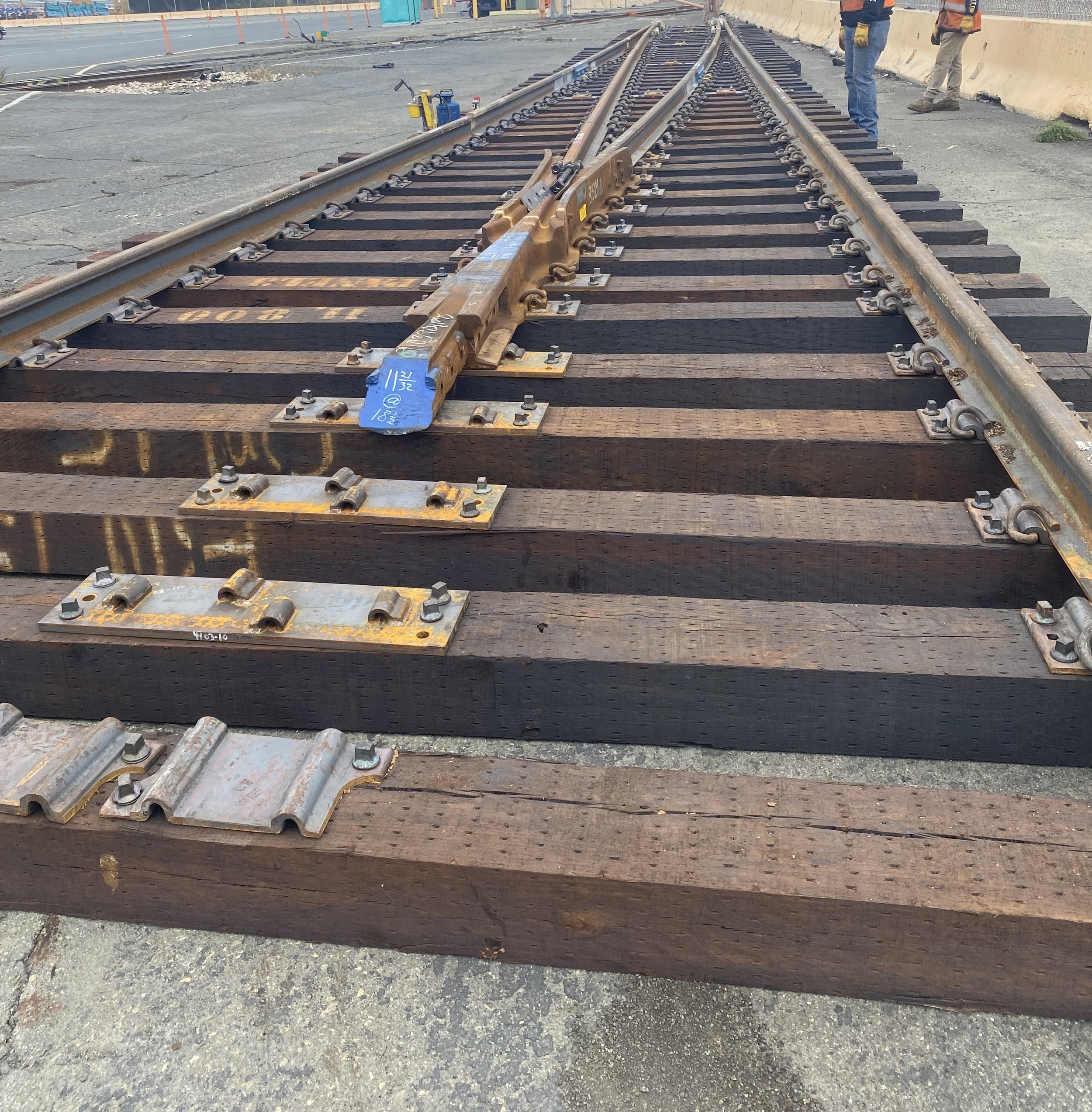
Provide end-to-end leadership for multiple concurrent rail infrastructure projects, aligning scope, schedule, cost, quality, and safety to organizational objectives. Key responsibilities include:
•	Define project scope, deliverables, milestones, and success criteria in collaboration with stakeholders
•	Establish and manage budgets, track costs, forecast cash flow, and implement corrective actions to keep projects within budget.
•	Coordinate multidisciplinary teams (inspection, engineering, construction, signaling, environmental compliance) and third party contractors to ensure cohesive execution.
•	Implement risk management: identify risks, quantify impacts, develop mitigation plans, and monitor risk status throughout project.
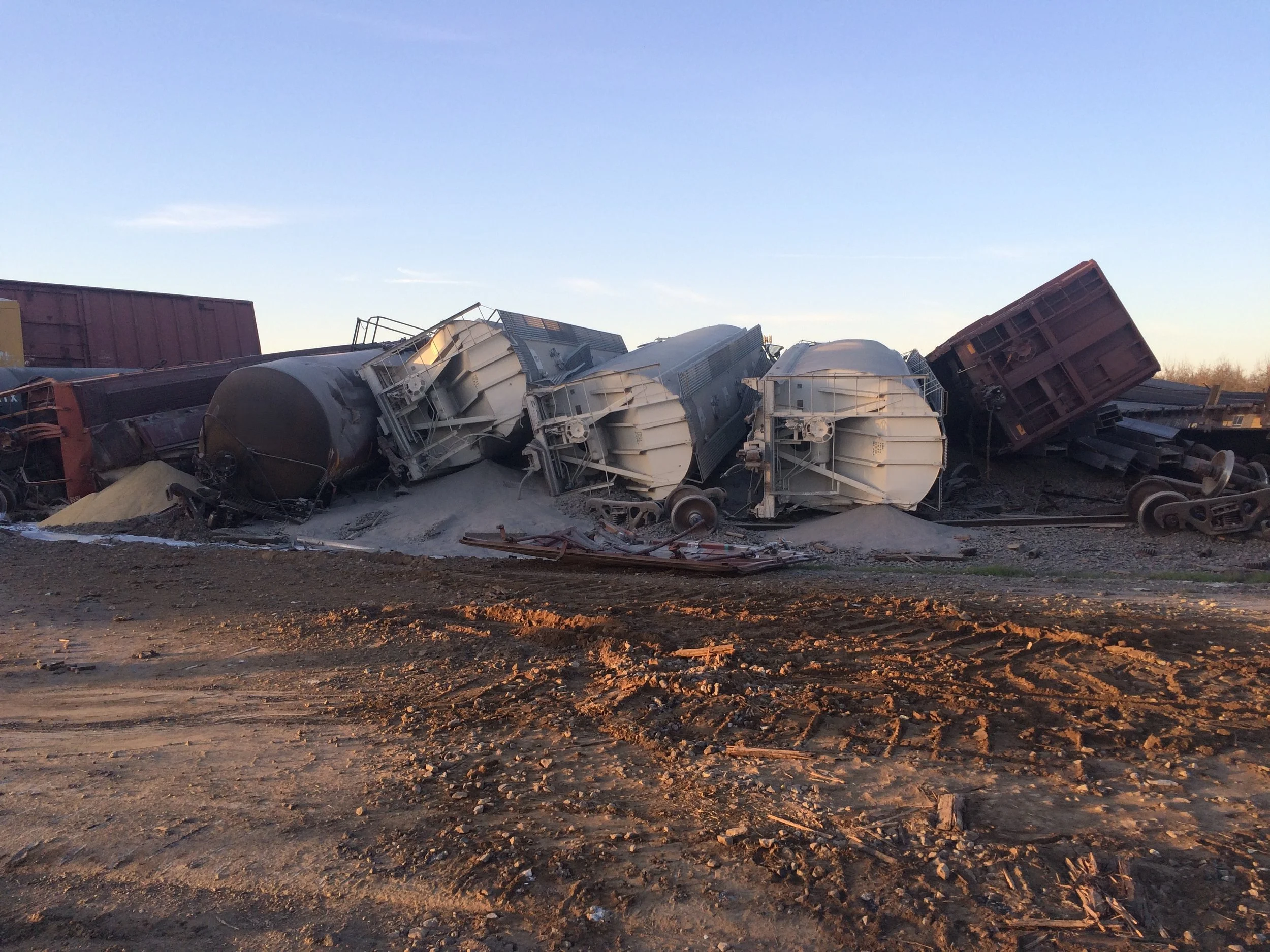
•	Maintain strict safety and regulatory compliance, incorporating FRA standards, operating railroad rules, and customer-specific requirements into project execution.
•	Communicate progress and issues to executive leadership and stakeholders through regular reports, dashboards, and milestone reviews; escalate critical issues promptly.
•	Conduct post project reviews to capture lessons learned and improve processes for future projects.
•	Use continuous improvement methods to streamline workflows, reduce cycle times, and increase predictability of outcomes.


Maintenance
Deliver timely corrective repairs and proactive preventive maintenance to maximize track availability, reduce lifecycle costs, and prevent service interruptions. Core activities include:
•	Perform routine inspections and condition assessments of track, ties, ballast, fasteners, switches, and grade crossings to detect defects early.
•	Execute corrective maintenance for identified faults—joint repair, tie replacement, tamping, ballast cleaning, and switch maintenance—to restore safe operating conditions quickly.
•	Implement preventive maintenance programs based on condition monitoring, inspection data, and predictive analytics to address wear patterns before failures occur.
•	Schedule maintenance activities to minimize operational impact, coordinating closely with train dispatchers and customer operational windows.
•	Maintain accurate maintenance records, work orders, and asset histories to support trend analysis and regulatory compliance.
•	Prioritize safety and environmental controls during maintenance operations, ensuring proper flagging, protective equipment, and spill/erosion prevention measures.
•	Train maintenance crews in best practices, new technologies, and updated standards to ensure consistent workmanship and reliability.
•	Continuously evaluate maintenance strategies (time based, condition based, reliability centered) to optimize costs and service availability.
Both functions emphasize proactive planning, disciplined execution, and measurable outcomes to support safe, reliable rail operations.